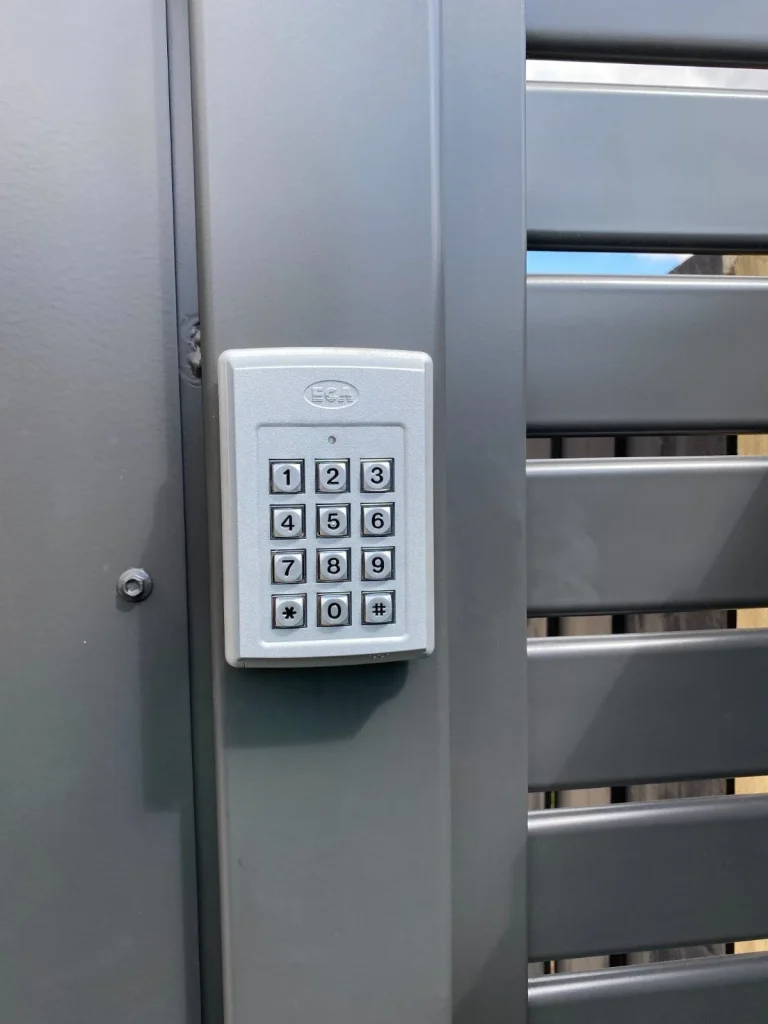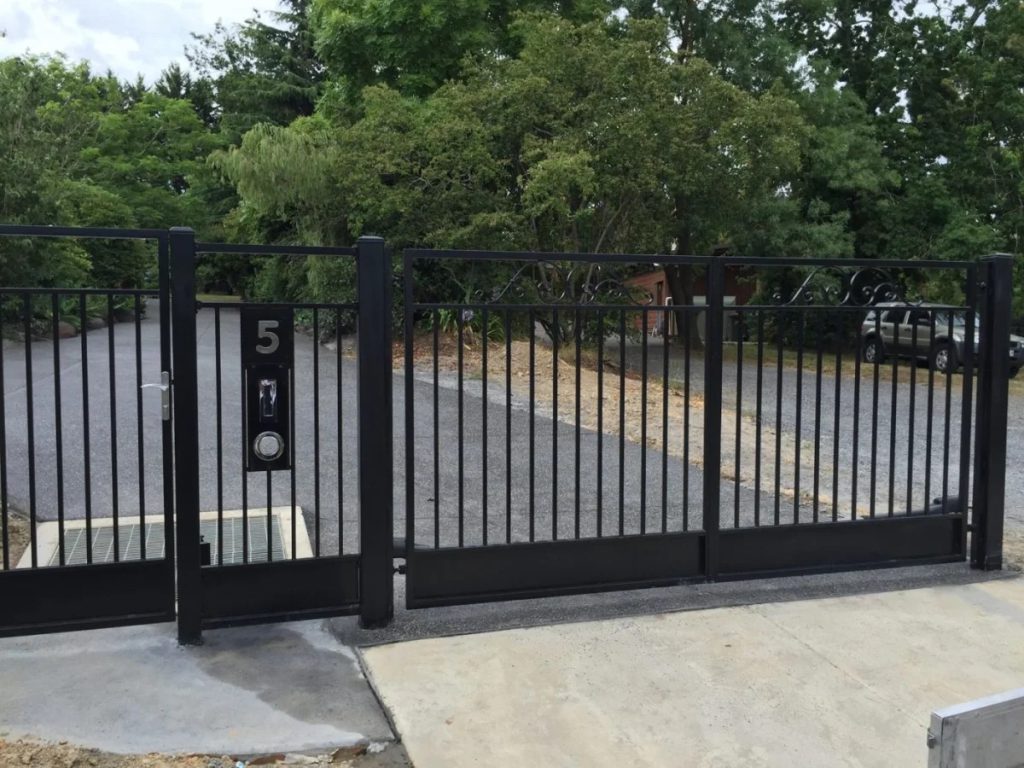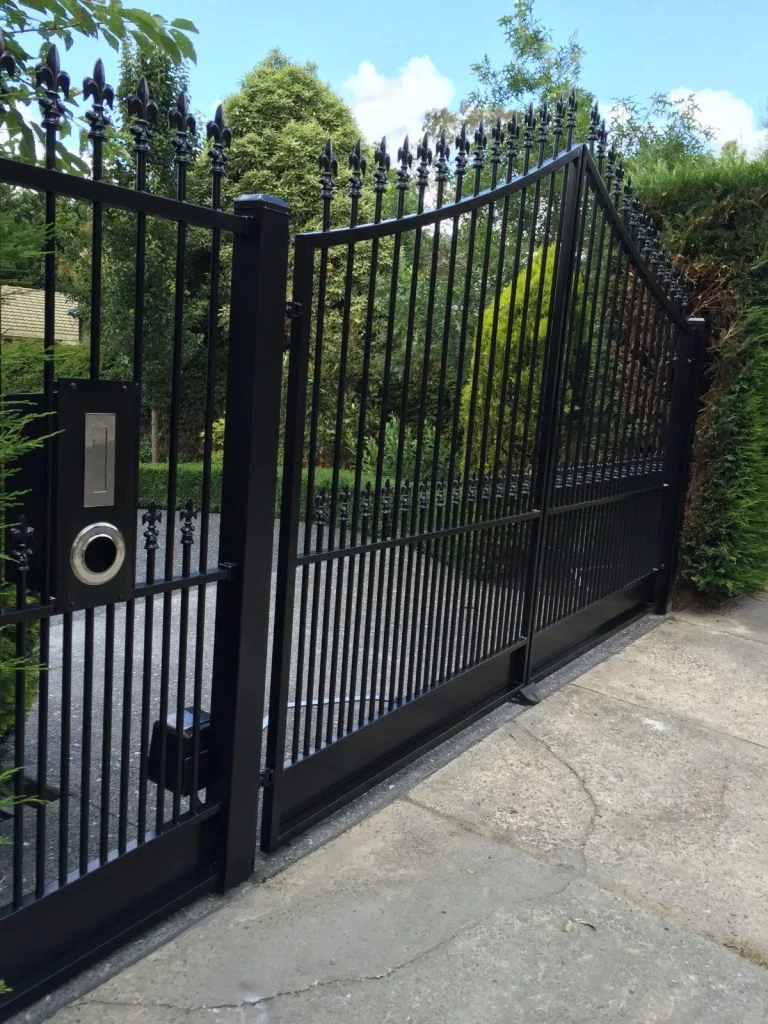
Melbourne can give you four seasons in one day. Sunshine at breakfast, hail at lunch, a howling southerly by dinner. Your driveway gate has to put up with all of it, every single day, without complaining.
So when you’re choosing between aluminium vs steel driveway gates in Melbourne, the real question isn’t “which looks nicer?” It’s “which one will still be swinging (or sliding) happily in 20 years?”
I’ve spent enough time around fabrication workshops and driveways to know this: most people pick a gate from a photo, then find out a few years later what the weather thinks of their choice. Let’s skip that part.
Here’s the honest breakdown from the team at Adonai Steel Fabrication.
The Short Answer (For the Impatient)
If you want the quick version, here it is:
- Aluminium lasts a very long time with almost no effort, because it doesn’t rust.
- Steel can last just as long, and often longer in terms of sheer toughness, but only if it’s properly galvanised, powder coated and looked after.
So which lasts longer? It depends on how well the gate is made and where you live. A cheap steel gate with a thin paint job can start rusting in a few years. A well-made galvanised steel gate can outlast the house. A decent aluminium gate will quietly do its thing for decades.
Still with me? Good. Let’s get into the details.
Why Melbourne Is Tougher on Gates Than You’d Think
It’s easy to assume Melbourne is a gentle climate. It isn’t, not for metal anyway.
- Constant moisture. Rain, humidity, morning dew and damp winters all give steel plenty of chances to rust if the coating is damaged.
- Salt air. If you live near Port Phillip Bay, in places like Brighton, St Kilda, Williamstown or down the Mornington Peninsula, salty air quietly attacks metal. It’s a slow, sneaky process.
- UV and heat. Summer sun fades cheap paint and bakes plastics and seals in motors.
- Wind and storms. Big gates act like sails. A solid panel gate in a southerly gust is a real test of the frame and hinges.
Think of your gate like a pair of work boots. A good pair, looked after, will go the distance. A cheap pair will let in water by winter.
How Long Do Aluminium Gates Last?
A well-made aluminium driveway gate can easily last 25 years or more, and many keep going well beyond that.
Here’s why:
- Aluminium doesn’t rust. It forms a thin natural oxide layer that protects it.
- It handles Melbourne’s rain and humidity without drama.
- It’s light, so hinges, tracks and motors work less hard.
- Powder coating on aluminium sticks well and holds its colour for years.
That last point is important. The gate itself might not rust, but the powder coat finish will slowly age. In harsh sun or near the coast it can fade or chalk over time. A quick wash a couple of times a year is usually all it needs.
The downsides of aluminium
I’d be lying if I said it was perfect.
- It’s softer than steel. A car bumping into it or a heavy knock can dent it.
- It can feel less “solid.” Some people want that heavy, imposing look and feel.
- Large, heavy-duty gates need thicker sections. Wide driveways or tall gates need careful design to stay strong.
How Long Do Steel Gates Last?
Steel is the tough guy of the gate world. A properly built and protected steel gate can last 30 years or more.
Notice the words “properly built and protected.” They matter.
Raw steel and water are old enemies. Without protection, rust takes hold fast. But good fabricators don’t leave steel bare. Here’s what a quality steel gate should have:
- Hot-dip galvanising (a zinc coating that protects the steel inside and out).
- A good primer over the galvanised surface.
- Quality powder coating or paint on top.
- Sealed or welded joints so water can’t sit inside the frame.
When all four are done well, steel stands up to Melbourne weather very nicely.
The downsides of steel
- Rust risk if the coating is scratched or poorly applied. Once water gets in, it spreads.
- It’s heavy. That means stronger posts, sturdier hinges and bigger motors.
- It needs a bit more checking. Not a lot, just a quick look for chips and scratches each year.
Here’s a story I’ve seen more than once. A homeowner buys a stylish steel gate from an online seller at a bargain price. It looks fantastic for two summers. Then little orange freckles appear at the welds. By year four, the bottom rail is flaking. The saving turned into a replacement bill. The metal wasn’t the problem. The finish and the fabrication were.
Aluminium vs Steel Driveway Gates: Side-by-Side Comparison
Here’s how they stack up for a typical Melbourne home.
| Feature | Aluminium | Steel (galvanised + powder coated) |
| Typical lifespan | 25+ years | 30+ years (with proper care) |
| Rust resistance | Doesn’t rust | Rusts if coating is damaged |
| Strength | Good, but softer | Excellent, very tough |
| Weight | Light | Heavy |
| Maintenance | Very low | Low to moderate |
| Coastal suitability | Excellent | Good, if well galvanised |
| Upfront cost | Mid-range | Often lower for simple designs, higher for heavy-duty |
| Motor and hardware wear | Gentler | Harder on motors and hinges |
| Security feel | Good | Excellent |
| Design flexibility | Great for slats and modern looks | Great for custom and ornate designs |
Note: lifespans are general estimates. Real results depend on build quality, coating, location and care.
Which Is Better Near the Bay or the Coast?
If you’re close to the water, this is where aluminium really shines.
Salt in the air speeds up corrosion on steel, especially if the coating gets chipped. Aluminium shrugs off most of that. So for homes in bayside suburbs or on the Peninsula, aluminium is usually the safer bet for long life with minimal fuss.
That said, galvanised steel with a high-quality powder coat can still do well near the coast. You just need to be stricter about build quality and regular rinsing. A quick hose-down to wash off the salt every few months makes a real difference.
What About Cost? Is Cheaper Really Cheaper?
Let’s talk money, because we all think about it.
Upfront, prices vary a lot depending on size, design, whether the gate is manual or automatic, and who builds it. Generally:
- Simple steel gates can come in cheaper at the start.
- Aluminium gates often cost a bit more upfront for the same size but save on upkeep.
- Heavy-duty custom steel can cost more because of the extra material, labour and stronger hardware.
The smarter number to look at is the cost over 20 years. A gate that needs repainting, rust repair or early replacement isn’t really cheap. A gate that you wash twice a year and forget about? That’s good value.
Don’t forget automation either. A heavier gate needs a stronger motor, and stronger motors cost more to buy and can cost more to run and service.
Which One Is More Secure?
Both can be very secure when built right.
Steel has the edge on pure toughness. It’s harder to bend, cut or force. If security is your top concern, or you’ve got a long, exposed driveway, steel is a strong choice.
Aluminium is still solid for everyday residential use, and modern designs with strong frames and quality locks give peace of mind. For most Melbourne homes, the lock, hinges and motor matter just as much as the gate material.
Maintenance: What You’ll Actually Need to Do
Neither option needs much, but a little care goes a long way.
For aluminium gates:
- Wash with mild soapy water a couple of times a year.
- Rinse off salt, dust and bird droppings.
- Check hinges, rollers and the motor once a year.
For steel gates:
- Do the same wash routine.
- Look for chips, scratches or bubbling paint, and touch them up quickly.
- Pay attention to the bottom of the gate, where water collects.
- Check welds and joints for any early rust.
A five-minute walk around your gate with a cuppa on a Sunday morning will catch most problems early. It’s the cheapest insurance you’ll ever buy.
Style and Design: Which Looks Better?
Here’s where it gets fun. Gates are the first thing people see, so they should look the part.
- Aluminium is brilliant for modern looks: horizontal slats, clean lines, timber-look finishes and sleek black or charcoal tones. It suits the contemporary homes popping up across Melbourne.
- Steel is great for custom pieces: ornate patterns, laser-cut designs, heritage-style gates for Victorian and Edwardian homes, and bold, solid statements.
Matching the gate to the house matters. A heritage home in Hawthorn or Camberwell often suits a classic steel design. A new build in Point Cook or Clyde North may look sharper with aluminium slats.
Common Mistakes People Make When Choosing
I see the same few mistakes over and over:
- Choosing on price alone. The cheapest gate often has the thinnest coating.
- Ignoring the location. Coastal and inland homes need different thinking.
- Forgetting the posts and hardware. A great gate on weak posts won’t last.
- Skipping the motor sizing. A motor that’s too small for a heavy gate burns out early.
- Not asking about the finish. Ask what coating is used and how it’s applied.
So, Which Lasts Longer?
Here’s my honest take after weighing it all up.
- If you want the lowest-maintenance gate and you’re near the coast, aluminium is hard to beat.
- If you want maximum strength and security, or a custom, heavy-duty design, galvanised and powder-coated steel is a great pick.
- If the build quality is poor, neither will last.
In other words, the material is only half the story. The other half is the fabricator, the finish and the fit.
Frequently Asked Questions
Do aluminium gates rust?
No. Aluminium doesn’t rust the way steel does. It can develop a thin, dull oxide layer, and the powder coating can fade over time, but the metal itself won’t turn orange and flake.
Are steel driveway gates good for Melbourne weather?
Yes, as long as they’re hot-dip galvanised and powder coated properly. The weather isn’t the problem. Poor coatings and unsealed joints are.
Which is cheaper, aluminium or steel driveway gates?
It varies. Steel can be cheaper upfront for simple designs, while aluminium often saves money on maintenance. Look at the total cost over 15 to 20 years, not just the quote.
How long do driveway gates last in Melbourne?
A quality aluminium gate can last 25 years or more. A well-made, well-protected steel gate can last 30 years or more. Poorly made gates of either type can fail much sooner.
Which material is better for automatic gates?
Aluminium is lighter, so it’s easier on motors, hinges and tracks. Steel works well too but needs stronger hardware. Either way, the motor should be matched to the gate’s weight and size.
Can I paint or recoat my gate later?
Yes. Both can be re-coated. Steel usually needs more careful prep to stop rust returning, while aluminium is generally simpler to refresh.
Is a steel or aluminium gate better near the beach?
Aluminium usually wins near the bay because of salt air. Well-galvanised steel can still work, but it needs a good finish and regular rinsing.
Ready to Choose Your Gate?
Picking between aluminium and steel doesn’t need to feel like a gamble. Think about where you live, how you use your driveway, how much upkeep you’re happy to do, and what suits your home’s style.
At Adonai Steel Fabrication, we build driveway gates made for Melbourne conditions, from sleek aluminium slat gates to tough galvanised steel designs. We’ll talk through your site, your budget and your style, and point you to the option that’ll last.
Want a straight answer and a fair quote? Get in touch with the Adonai Steel Fabrication team today, and let’s get your driveway sorted with a gate you won’t have to think about again.